
Garajonay National Park:
the forest that lives on mist

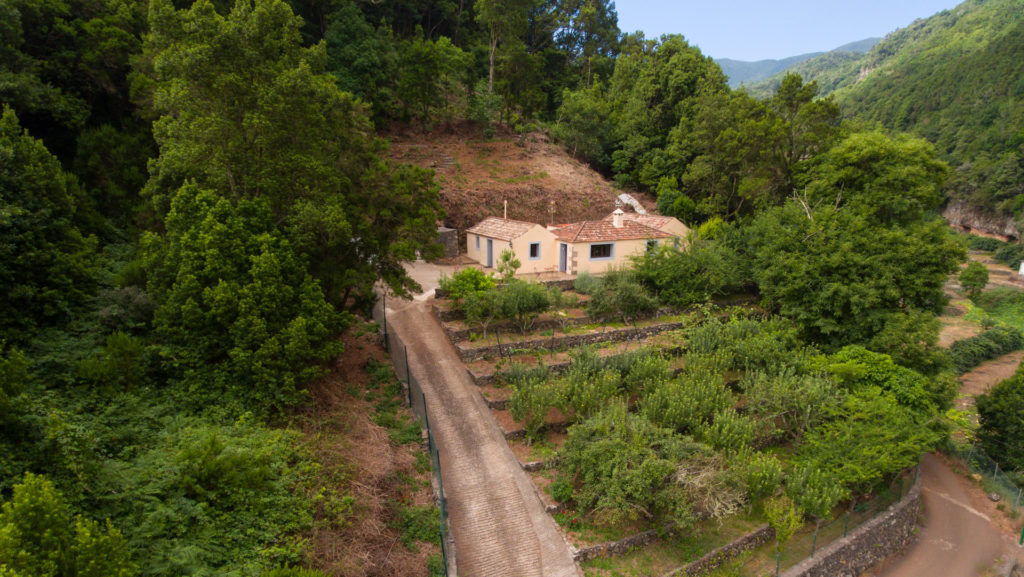
High on La Gomera, the mist carried by the trade winds catches in the laurels and gives them the water the rain does not bring. That is how one of the last laurel forests has survived to this day, the kind that covered southern Europe millions of years ago. The house stands in El Cedro, surrounded by it.

Entering Garajonay is stepping into another light

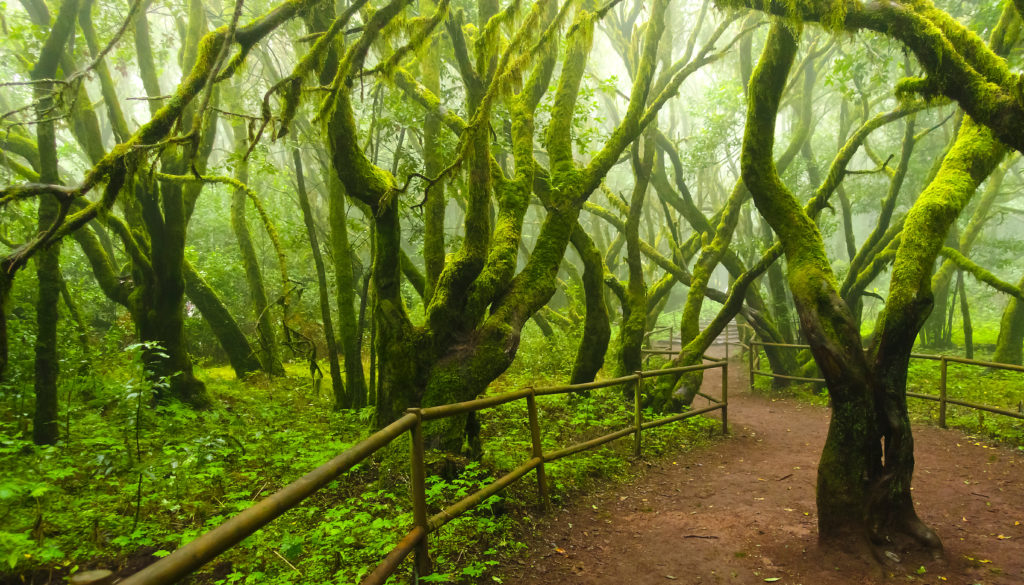
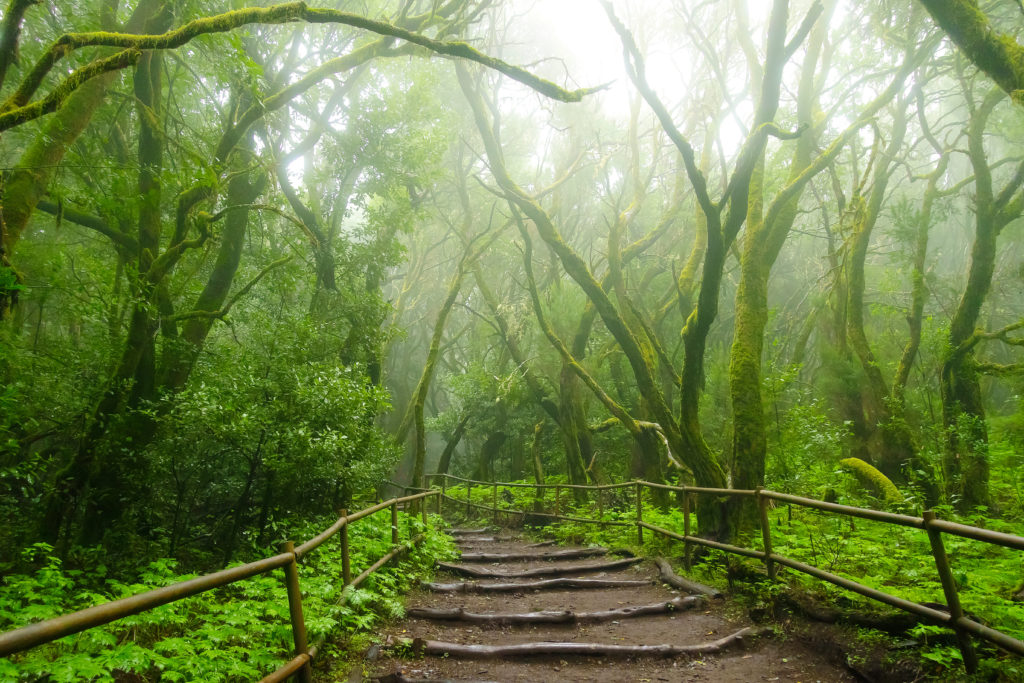
Under the laurels, the light reaches you green and filtered. The trunks are clad in moss, lichens hang from the branches and the ferns come up to your waist.

Most of the Park is this forest, the laurisilva: laurel, til, viñátigo and acebiño trees, always green and always damp. It has been a National Park since 1981 and a World Heritage Site since 1986, as one of the finest examples of laurel forest left in the world.
What is the weather like in Garajonay?

Cool and humid most of the year. The trade winds push the clouds against the north side of the island and, at the height of El Cedro, about 830 metres, the forest sits right inside them. Mist can appear at any time of year, and humidity often rises above 75 %.

In winter it is denser and colder; summer comes as a surprise, because while the sun shines on the coast, it stays cool up here. Always bring something warm.

Approximate temperatures in El Cedro (average low and high)

Winter

10–16 °C

Spring

11–17 °C

Summer

15–22 °C

Autumn

14–21 °C

El Cedro, a clearing in the middle of the forest

El Cedro is a small hamlet of terraced plots in a hollow of the forest, surrounded by the Park on every side. A stream runs through it all year round, something rare in the Canary Islands, and further down the valley it plunges over the Chorro de El Cedro, a waterfall of about 150 metres towards Hermigua.

It is a protected area where new houses are no longer built, and very few remain. One of them is ours.

Climb to the highest point of La Gomera

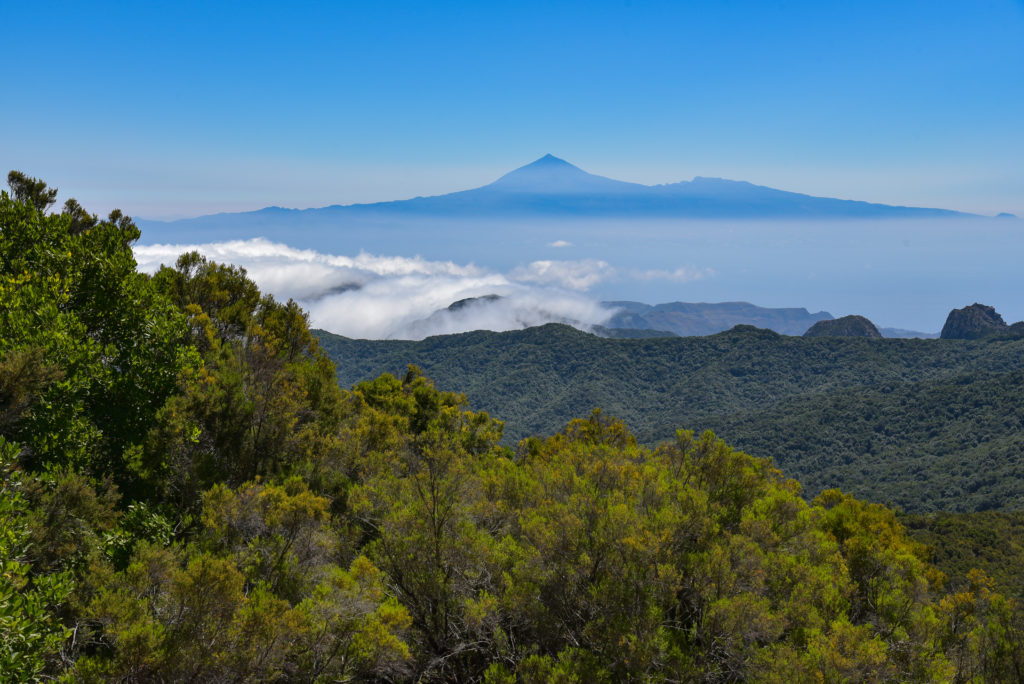
On a clear day, from the Alto de Garajonay, at 1,487 metres the highest point on the island, the whole forest lies at your feet, with Mount Teide and other islands across the water.

Further down, Laguna Grande is the Park’s great clearing, with tables under the trees and an information point. In Agulo, the Juego de Bolas visitor centre explains how the laurel forest works before you step into it.

Opening times are on the Park’s website, and the routes that set off on foot from the house are under Hiking.

The forest is waiting

Choose your dates and the house will be all yours.